
Nestled in the Roanoke Valley of Virginia, a long-standing ballet school is expanding its vision and inviting the community to forge a deeper connection to the arts than ever before. As the Star City School of Ballet continues to thrive in the trendy city center, it is evolving alongside the new Star City Center for the Arts, a shared home that celebrates movement, visual art, music, and multidisciplinary creative work in a community-based setting.
The way both spaces thrive is indicative of how community-based studios have grown beyond just places to hold classes. It all comes at a time when affordable creative spaces, arts access, and meaningful in-person connection can be difficult to find.
“This is vital infrastructure for artists, families, educators, and emerging creative entrepreneurs,” explains Star City Managing Director Ana Elisa Martinez de la Peña. “We are working to make participation in the arts more accessible and sustainable.”
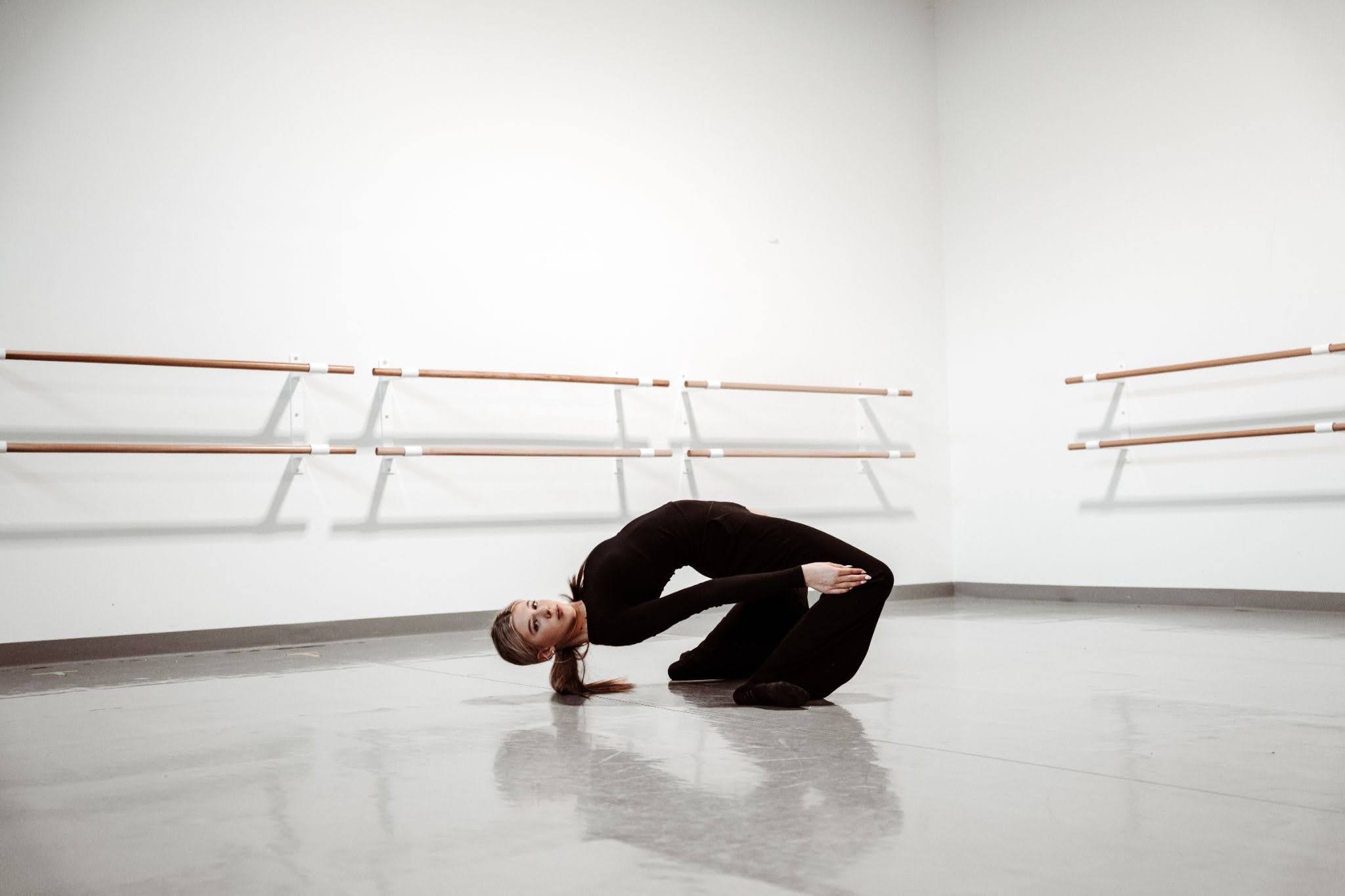
From ballet instruction to growing a multi-disciplinary, community-based creative hub
Although the Star City School of Ballet’s roots remain firmly grounded in ballet, the opening of Star City Center for the Arts acknowledged that the creative arts rarely fit neatly into one discipline. While a dancer may need rehearsal space, there are also theater costume makers who need space for designing, photographers who need space for portraits, and all manner of performers who need space for performing.
“We wanted to create a space where emerging and established artists could both access the resources, environment, and community support necessary to develop their craft,” says De la Peña.
De la Peña and her team have created a shared creative ecosystem where artists can throw themselves into their independent work while also connecting with the community at large. It is an expansion of the Star City School of Ballet’s original mission, rather than a departure. The organization’s earlier roots began in 1990 as the Dance Center of Southwest Virginia, before later becoming Star City School of Ballet in 2009 and relocating from Salem to Roanoke in 2019, laying the groundwork for the current expansion.
“The Star City School of Ballet is still thriving,” says De la Peña. “What we’re doing with the center for the arts is ensuring that community creatives have a home in Roanoke.”
Space as a welcomed artistic community resource
As many creatives know, the availability of physical space can be a barrier to growth. Rehearsal rooms, photography studio space, performance areas, and instructional studios require square footage, accessible locations, and, often, a good amount of overhead. These needs are often difficult to meet when using one’s home or a temporary rental setting.
Star City Center for the Arts seeks to bridge gaps for the city’s creative community. “By giving community creatives a stable place to work, practice, and perform, we can interconnect creative disciplines and build a stronger community as a whole,” says De la Peña.
As a shared community resource, the Star City Center for the Arts also makes it easier for independent artists to cultivate a local presence without having to take on the outsized risk of opening a standalone studio. Educators can offer instruction closer to where people live, and students can have access to a wide array of creative disciplines and mentors.
A space to inspire connection: Artistic collaboration and community over competition
Creative disciplines are often competitive. With Star City Center for the Arts, De la Peña and her team are excited about the possibilities for creatives to encounter one another, form partnerships, collaborate, and move past the competitive nature of creativity.
“I believe collaboration can strengthen the entire Roanoke arts scene,” De la Peña explains. “This collaboration can be formative for young artists.”
De la Peña is hopeful to see young dancers discover choreography, performers find costume designers for collaboration, and community members uncover opportunities they never thought were possible in the city. For her, the Star City Center for the Arts illustrates how creative careers and disciplines can function in the real world and within community structure.
Accessible arts and culture in Roanoke
The case that De la Peña makes for local arts hubs comes back to access. While not every artist may ultimately pursue a professional career, the community benefits when people of various ages, incomes, and skill levels can come together and participate in the arts. From dance education that includes ballet as well as tap, contemporary, lyrical, musical theater, modern, acro, and hip-hop to multifaceted opportunities to participate in disciplines such as costume workshops, music labs, and performances, the Star City Center for the Arts is expanding what it means to be a creative community in Roanoke.
“Arts education and immersion promote inclusion, confidence, belonging, and creative expression,” she says.
De la Peña hopes that the continued influence of the Star City School of Ballet and the newer influence of the Star City Center for the Arts will make community connections possible. By bringing dancers, artists, families, instructors, and curious community members together into a central home for artists of all kinds, she sees a future where the arts in Roanoke are more visible and accessible.