
Planning a wedding involves countless decisions, but few are as important as selecting the right venue. It’s essential to know what to consider when choosing a wedding venue, since the setting influences everything from guest experience to décor and logistics. By focusing on key factors such as budget, capacity, location, and amenities, you can narrow your options and confidently select a space that aligns with your vision.
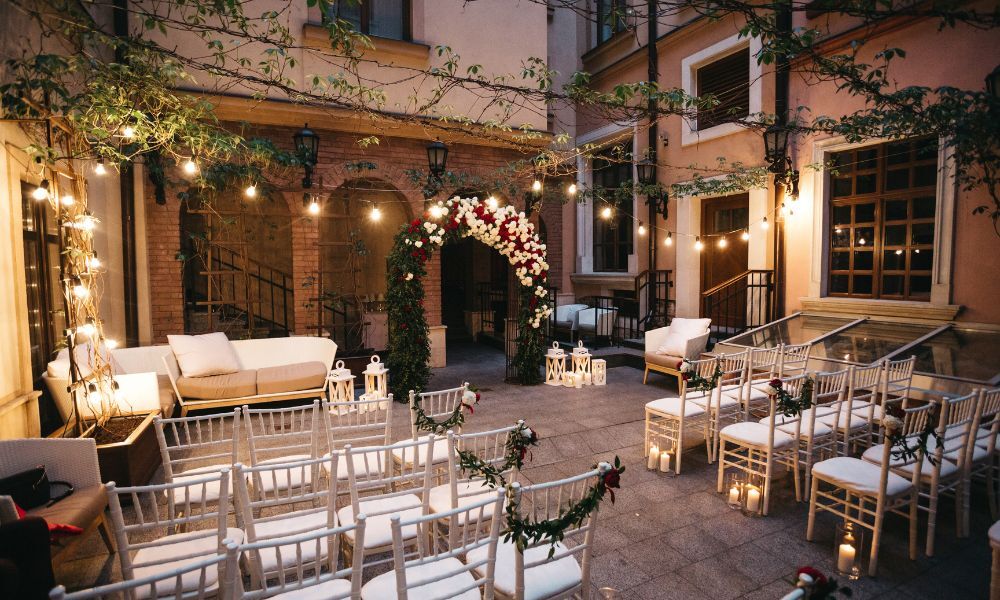
Define Your Budget Early
Before you tour locations, set a realistic budget. The venue typically accounts for a significant portion of total wedding expenses. When you establish your spending limit upfront, you avoid falling in love with a space that stretches your finances. Ask for a detailed breakdown of costs, including rental fees, deposits, overtime charges, and service fees. Clarifying what the base price includes helps you compare venues accurately and prevent unexpected expenses later.
Match the Venue to Your Guest List
Your guest count directly affects your venue options. Create a preliminary list before booking a space so you know whether you need an intimate setting or a large ballroom. A venue that feels too small can make guests uncomfortable, while an oversized room can feel empty and impersonal. Confirm that the layout accommodates your ceremony, cocktail hour, and reception comfortably. Consider flow between spaces so guests can move easily throughout the event.
Consider Location and Accessibility
Location plays a major role in guest attendance and overall convenience. Select a venue that offers convenient access to highways, airports, or nearby hotels, especially if you expect many out-of-town guests. Ample parking or transportation options make the day smoother for everyone. If you select a remote or destination venue, plan clear directions and consider arranging group transportation. A convenient location reduces stress and helps guests focus on celebrating with you.
Evaluate Amenities and Services
Some venues offer full-service packages that include catering, rentals, and coordination support. Others provide only the space, leaving you to source vendors independently. Review what each venue includes and decide which approach suits your planning style. Couples who want a streamlined process often appreciate the benefits of wedding venues with on-site accommodations, as they allow guests to stay nearby and simplify scheduling for the wedding party. On-site amenities can also enhance comfort and create a more cohesive experience.
Align Style With Your Vision
The venue should complement your wedding theme and personal style. A rustic barn creates a different atmosphere than a modern rooftop or classic ballroom. When touring spaces, pay attention to architectural details, lighting, and natural surroundings. Visualize how your décor will look in the space and whether the venue enhances or competes with your aesthetic. Choosing a setting that aligns with your vision reduces the need for extensive decorations and helps your theme feel authentic.
Review Policies and Flexibility
Carefully read contracts and ask about policies on vendors, décor restrictions, noise limits, and weather contingencies. Understanding these guidelines protects you from last-minute surprises. Ask about backup plans for outdoor events and confirm how the venue handles timeline changes. Clear communication ensures you and the venue team share expectations.
Selecting the right setting requires thoughtful planning and attention to detail. When you understand what to consider when choosing a wedding venue, you position yourself to create a celebration that feels seamless, personal, and unforgettable.