
At times other than the physical toll that parenting brings, parenting philosophies can also feel overwhelming especially for new parents who are just trying to make the best choice for their child’s emotional and physical well-being. One of the most common approaches that continuously gain attention is what is attachment parenting. This style of parenting is caregiving centered, building that strong emotional bond, responding sensitively to your child’s needs and creating a great foundation of trust that help support their lifelong mental health.
Rather than over fixating on rules, guidelines and rigid routines, attachment parenting puts more emphasis on responsiveness, building up connection, and consistency. From your feeding techniques, comforting your child, and how you guide their behavior later in childhood, this approach prioritizes emotional security as the core of healthy development. At times many parents practice the elements of attachment parenting without even realizing that they’re doing it.
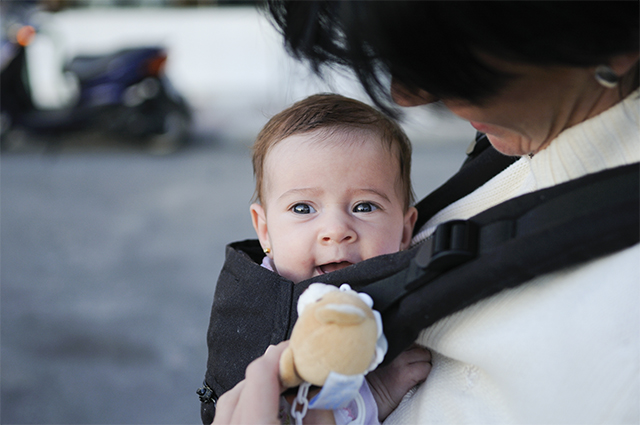
A baby carrier is a useful tool to keep your little one close especially during the earlier months, this can also support the emotional connection that’s built in proximity. Knowing what is attachment parenting can help many families to feel more at ease, confident, connected and intentional in the way that, of course, prioritizing and nurturing their children.
Defining and Understanding Attachment Parenting
The core of attachment parenting is a child-centered caregiving philosophy which is deeply rooted in attachment theory, this pounds on the importance of securing emotional bonds in between children and their caregivers. Being valued, feeling safe and well understood is deeply rooted on safe attachment. A foundation of healthy and strong relationships comes from feeling safe, other than this, it’s also the base line of building up self-confidence and resiliency that they will need throughout their lives.
Parents who choose this approach aims to respond more quickly, consistently, to their baby’s cues, whether that means feeding them immediately when they show signs of hunger, comforting them when they’re upset, or staying emotionally present during the time when their child is learning and playing. The goal is not dependency, but fostering confidence and independence by means of ensuring that the children know they can rely on their caregivers when they need to.
Tools like a baby carrier basket makes it a whole lot easier for parent to keep their baby close while still being able to do their daily chores. This physical closeness promotes bonding, aids in the regulation of your child’s emotions, and supports secure attachment, which are key components of understanding what is attachment parenting looks like in everyday life.
Key Principles and Practices of Attachment Parenting
Attachment parenting mainly is described through a lot of guiding principles,
- Preparing for pregnancy, birth and parenting – this means educating yourself well enough and creating a supportive environment.
- Intentional feeding with respect and love – looks like responding to their hunger cues rather than sticking to rigid schedules.
- Responding with sensitivity – attending promptly to their emotional needs and cries.
- Ensuring safe sleep – supporting closeness but still maintaining safety
- Nurturing touch – carrying, holding, and cuddling your baby more everyday.
- Providing consistent, loving care – creating predictability and emotional security.
- Using gentle discipline – teaching rather than punishing.
Many children who feel that they’re emotionally supported and also has deep connection with their caregivers are more likely to thrive in their later years. The practices that we’ve mentioned above help support this idea.
The Role of Breastfeeding and Responsive Feeding
Breastfeeding naturally is aligned with attachment parenting, formula-feeding families also fully support this especially the ones who practice responsive feeding. At time you’re responding to their hunger cues, provide comfort, keep eye contact and ensure that the feeding times are nurtured rather than rushed, you’re highly corresponding to attachment parenting.
Responsive feeding is one way to teach babies that their needs matter and that caregivers are reliable. This strengthens their trust and also help support emotional regulation from an early age. The core goal here it to understand what is attachment parenting.
Co-Sleeping, Bedsharing, and Sleep Arrangements
Many families that practice attachment parenting choose to keep their baby close while sleeping, it could either be room-sharing or bedsharing (but should be done safely). The goal is to make nighttime care more responsive and comforting. Close sleep arrangements can,
- Reduce the prolonged crying
- Supports breastfeeding
- Improve parental responsiveness
- Promote emotional security
There are safety guidelines that must always be followed but keeping them close at night help reinforce the idea that a baby’s emotional needs are just as important as their physical needs.
Promoting Emotional Connection Through Responsiveness
While your child requires you to respond to their needs when they happen, this does not make them spoiled children; instead, this instills within them the understanding that the world is a safe place because they can, at any time, rely on their parents for their needs to be met. Children that are raised with responsive caregiving, develops,
- Self-esteem is higher
- Better at regulating their emotions
- Stronger social skills
- Greater independence
Recognizing that the early emotional connection strengthens and not weakens their long-term independence means you’re getting the essence of what is attachment parenting.
Gentle Discipline and Positive Parenting Techniques
Attachment parenting is also in support of gentle discipline strategies. This means you’re guiding behavior through empathy and teaching rather than punishment to what behaviors you think isn’t right. This could include,
- Offering choices
- Redirection
- Modeling proper behavior
- Explaining consequences
- Setting consistent boundaries
This is mainly an approach to helping a child understand their emotions and instill self-control, rather than relying on fear or punishment.
The Impact of Attachment Parenting on Child Development
According to research, securely attached children are more likely to be able to develop the following,
- Healthy coping mechanisms
- Strong emotional intelligence
- Better peer relationships
- Improved academic performance
Reduced likelihood of anxiety and behavioral problems by nurturing emotional safety early on, lay the foundation that will support their child throughout life.
Common Misconceptions and Criticisms of the Approach
Let’s bust some myths that are quite commonly associated with this philosophy,
Myth: It creates children that are clingy and needy
Truth: Secure attachment actually promotes healthy independence
Myth: It is only about breastfeeding and co-sleeping
Truth: It’s also about emotional responsiveness and not specific methods.
Myth: It exhausts parents
Truth: When practiced flexibility and with support, it often improves family harmony and reduces stress.
Understanding what is attachment parenting means recognizing it as a flexible philosophy and not a strict checklist.
Conclusion
The question of what is attachment parenting is actually more than baby wearing, breastfeeding, and sleeping practices. What it is actually encompassed by is the development of trust, bonding, and security that children can develop. Parents that can respond to their children with consistency, empathy, and love can raise children to be confident and able to explore the world no matter where they are.
If you’re learning more about what is attachment parenting, remember that every family’s journey isn’t the same, it’s unique in it’s own ways. And you yourself doesn’t have to be perfect, what’s more important is that you’re being present, responsive and emotionally available whenever they need you. This sets your child up for a lifetime of healthy development.