
We spoke with Dr. Paul Langevin, a 30 year highly respected anesthesiologist and the new CEO of Olena Medical, LLC, a top anesthesia provider, to provide his advice.
Whether you’re considering a cosmetic refresh or a small outpatient procedure, you’ve likely spent hours researching your surgeon, reading reviews, and looking at before-and-after photos. But how much have you considered the anesthesia team behind the scenes?
For many women, anesthesia feels like an afterthought—something that just “happens” during surgery. But anesthesia care is critical to your safety, comfort, and recovery. At outpatient surgical centers, where efficiency and convenience are prioritized, knowing who is administering your anesthesia and how they operate can make all the difference.
At outpatient surgical centers, where efficiency and convenience are prioritized, knowing who is administering your anesthesia and how they operate can make all the difference. Did you know that in the operating room the surgeon is responsible for the procedure and the anesthesiologist is responsible for everything else? If there is a problem, the surgeon depends on anesthesia to address it. Joan Rivers had a simple procedure performed at a surgicenter. She died there and not because of a problem with the procedure.
Here are key questions to ask before your procedure—because being informed is just as beautiful as feeling confident in your results.
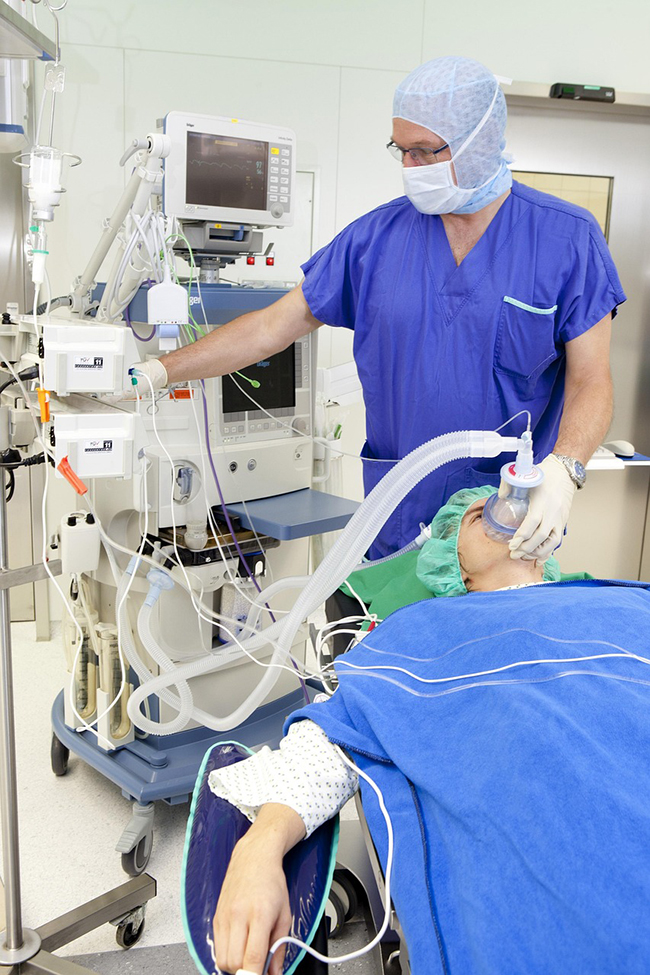 1. Who Will Be Administering My Anesthesia?
Ask whether a board-certified anesthesiologist will be involved in your care, or if a CRNA (Certified Registered Nurse Anesthetist) will be the primary provider. Both are highly trained professionals, but it’s important to understand their roles. In some centers, a physician anesthesiologist supervises a team; in others, CRNAs work independently.
Ask: Will a board-certified anesthesiologist be involved in my care on the day of the procedure?
2. What Are the Credentials of the Anesthesia Team?
Credentials matter. Anesthesia is a medical specialty that requires years of training. You have the right to know who will be responsible for your well-being during sedation or general anesthesia.
Ask: Can you share the credentials and experience of the anesthesia provider? How often do they work at this center?
3. What Type of Anesthesia Will I Receive and Why?
Different procedures require different levels of sedation: local anesthesia, IV sedation (“twilight”), or general anesthesia. Understanding the plan and rationale helps set expectations and reduce anxiety.
Ask: What type of anesthesia will be used, and why is that the best choice for my procedure?

4. What Precautions Are in Place for My Safety?
Surgical centers can vary in their level of emergency preparedness. Make sure the facility is fully equipped and the team is ready to respond to unexpected events, even if they are rare.
Ask: Is the surgical center accredited? What emergency protocols and monitoring equipment are in place?
5. Will I Be Monitored During and After My Procedure?
Proper monitoring during and after anesthesia is essential for your safety. Ask how long you’ll be observed and who will be responsible for your care during recovery.
Ask: How will I be monitored during and after the procedure, and who will oversee my recovery?
6. What Is the Anesthesia Team’s Track Record?
You can and should inquire about the team’s experience, complication rates, and patient satisfaction. A professional team will welcome your curiosity—it shows you care about your health.
Ask: Does the anesthesia provider have experience with this type of procedure and patient population?
7. Will I Have a Pre-Operative Consultation?
It’s best practice for anesthesia providers to evaluate you before the procedure. This ensures they are aware of any health conditions, allergies, or previous anesthesia reactions.
Ask: Will I meet or speak with the anesthesia provider before the day of my surgery?
8. Will I Have a Pre-Operative Consultation?
It’s best practice for anesthesia providers to evaluate you before the procedure. This ensures they are aware of any health conditions, allergies, or previous anesthesia reactions.
Ask: Will I meet or speak with the anesthesia provider before the day of my surgery?
Why This Matters

Anesthesia may not be the most talked-about part of a cosmetic or outpatient procedure—but it’s one of the most important. As women, we often take the time to research everything else, but understanding who is responsible for your safety while you are unconscious is non-negotiable. Asking the right questions empowers you to advocate for yourself, make informed decisions, and reduce unnecessary risks. Your peace of mind—and your health—depend on it. You deserve both a great outcome and great care. Don’t settle for anything less.