
Imagine living with pain that just won’t quit—an ache in your back, a throbbing joint, or a headache that lingers for days. For as long as people have walked the earth, they’ve searched for ways to make pain more bearable.
Over the centuries, we’ve moved from using herbs in ancient remedies to relying on modern medicine’s most advanced solutions.
Lately, cannabinoids have stepped into the spotlight, offering hope and raising new questions. Among them, THCP and THCA stand out—not just for how they work, but for the very different experiences and possibilities they bring to the table.
THCA and THCP are just two of the many natural compounds found in different strains of cannabis. Each brings its own twist to how the plant feels and works in the body.
THCA, for example, is a non-psychoactive compound—meaning it won’t get you high if you eat raw cannabis or use products that haven’t been heated. It’s the starting point for THC, the famous compound that does cause a high, but THCA itself is gentle and non-intoxicating.
Whether you’re using cannabis for relief or curiosity, the balance of THCA and THCP in each strain can shape your experience in unique ways.
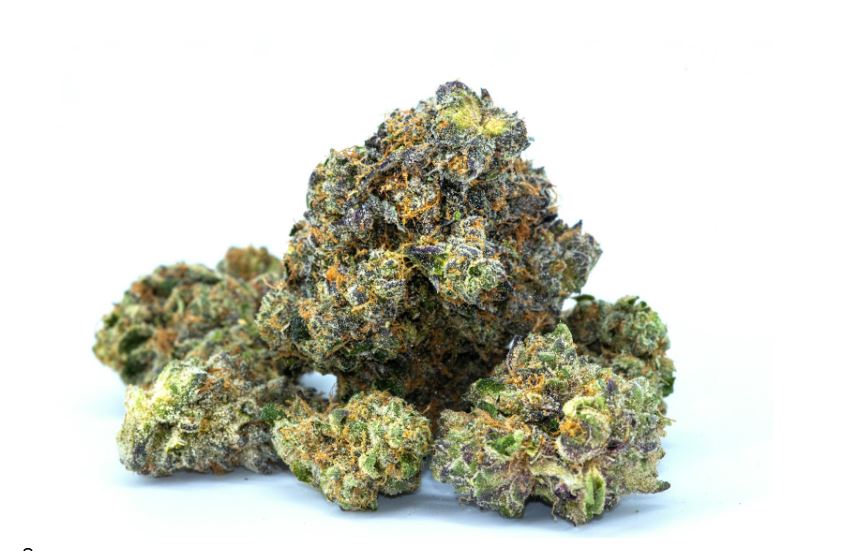
Beyond Traditional Cannabinoids: THCP and THCA Differences
Most cannabinoid discussions center around THC and CBD, the two dominant compounds found in cannabis. THC has earned recognition for its psychoactive properties, while CBD often receives praise for alleviating anxiety and inflammation without the characteristic “high” associated with cannabis use.
This section delves into THCA vs THCP, illuminating their fundamental differences in chemical makeup, psychoactive effects, and therapeutic potential.
The cannabis plant harbors over 100 distinct cannabinoids, and scientists are now examining lesser-known compounds for their potential therapeutic value. CBG, or cannabigerol, for instance, is emerging as a promising anti-inflammatory agent. While research remains in early stages, some studies suggest it may offer innovative treatments for chronic pain conditions.
What actually makes THCP and THCA so different?
Think of THCP as the powerhouse—it can create intense effects, like a big shift in how you perceive things or a sudden urge to raid the fridge.
That’s because its structure lets it attach really well to the body’s cannabinoid receptors, especially the ones responsible for feeling high. THCA, on the other hand, is more like a sleeping giant. It won’t change how you feel unless you heat it up (like when smoking or vaping), which transforms it into THC—the well-known compound behind the classic cannabis high. Until then, THCA stays quiet and non-intoxicating.
Because of these differences, each compound offers something unique for people seeking relief. THCP is so potent that even a tiny amount can have a big impact—something experienced cannabis users might appreciate if they’re after stronger effects.
Meanwhile, THCA is all about potential: it only transforms once you heat it, and until then, it doesn’t produce a high. This means people can choose what works best for them, whether that’s a gentle approach with THCA or a more powerful experience with THCP.
In essence, the primary differences between THCA and THCP lie in their capacity to induce psychoactive effects and their distinct roles in traditional cannabis use. As researchers examine these compounds, they’re discovering a treasure trove of therapeutic possibilities.
For example, THCV (tetrahydrocannabivarin) shows promise as an appetite suppressant, which could indirectly help individuals dealing with pain related to weight or metabolic concerns.
These novel cannabinoids may open pathways for more integrative pain management approaches, enabling patients to address interconnected health issues holistically.
Other Cannabinoids and Pain Relief
THCA and THCP might be getting a lot of attention lately, but they’re just two members of a much bigger family. Take CBD, for example—it’s famous for providing relief from pain and inflammation without making you feel high.
People often turn to CBD when they want something gentle and effective, especially if they’re sensitive to the stronger effects of other cannabinoids. Each compound in cannabis brings its own benefits, giving people plenty of choices to match their needs and comfort levels.
On the other spectrum, cannabinoids like THC-P are recognized for their intense, euphoric effects, which can particularly benefit those experiencing severe or persistent pain. The key distinction between these cannabinoids often lies in their chemical structures and how strongly they bind to cannabinoid receptors, resulting in varying potency levels and psychoactive characteristics.
Today’s cannabis market is like a buffet—there’s something for everyone. Whether you prefer raw plants, gentle hemp flower, or potent extracts, you can pick and choose what fits your needs.
Maybe you want to avoid feeling high, or maybe you’re looking for stronger effects to tackle stubborn pain. The key is knowing yourself and understanding how each type of product might help. With so many options, people can find a personalized path to relief and wellness.
Natural vs Synthetic: Sourcing from Cannabis Plants and Safety Considerations
With research advancing rapidly, ongoing cannabinoid studies continue revealing complexities within their mechanisms and interactions. Cannabinoids exist in various forms, with some being naturally occurring compounds found in the plant and others being produced synthetically.
THCP synthetic vs natural sourcing presents important considerations for both effectiveness and THCP safety.
While some THCP occurs naturally in trace amounts, much of what’s commercially available involves semi-synthetic conversion processes, raising questions about THCP’s natural occurrence vs lab-derived products.
Meanwhile, THCA flower legality remains more straightforward in many jurisdictions, as THCA raw cannabis benefits can be accessed without the psychoactive effects typically associated with cannabis consumption.
THCA is often extracted to create products that preserve its non-psychoactive properties. Understanding the process of THCA decarboxylation, including the temperature and time requirements, becomes crucial because THCA undergoes decarboxylation when heated, converting to THC—a process central to THCA consumption.
This helps patients choose between intoxicating and non-intoxicating therapeutic approaches, since you can heat THCA to convert it into its psychoactive form.
The skepticism surrounding these treatments reflects broader caution against premature adoption of unvetted therapies.
Medical communities emphasize the importance of rigorous trials to confirm effectiveness and ensure patient safety, particularly when considering THCP side effects and safe dosage protocols for beginners, who often wonder how much THCP to take.
Therapeutic Applications, Potential Therapeutic Benefits, and Product Formats
Emerging cannabinoids are sparking scientific interest, not only due to their unique properties but also because of the possibilities they present in creating tailored pain management solutions.
Unlike THC and CBD, these compounds offer nuances in how they interact with the body’s endocannabinoid system. THCP vs THCA for pain relief presents distinct pathways: THCP’s high potency may benefit those requiring strong, immediate effects, while THCA helps without getting high appeals to patients seeking therapeutic benefits during daily activities.
You’ll find THCA and THCP in all kinds of products—tinctures, concentrates, vapes, gummies, and more. Each option comes with its own pros and cons, not to mention different effects and legal rules to keep in mind. For example, a THCP vape might hit you quickly and feel intense, while a THCA tincture could offer a milder, longer-lasting experience. It’s all about picking what works for your lifestyle and comfort.
Take CBN, or cannabinol, for example. Preliminary findings indicate it might have sedative effects. Its potential as a sleep aid makes it attractive when considering the broader impacts of chronic pain, which often includes disrupting rest and sleep patterns.
Best THCA products for non-intoxicating use include raw flower, tinctures, and capsules that preserve the acidic form, as well as other cannabis products such as concentrates that maintain THCA’s non-psychoactive properties.
Consuming thca in its raw form, such as through raw thca or raw cannabis leaves, offers potential health benefits and thca benefits like anti-inflammatory and antiemetic effects without intoxication.
When discussing consumption methods, consuming THCA directly from raw cannabis leaves or raw cannabis plant material is popular for those seeking wellness support without psychoactive effects.
Understanding how to store THCA to prevent decarboxylation becomes crucial for maintaining intended effects.
Practical Considerations: Dosing and Legal Status
The intersection between cannabinoids and traditional medicine is opening doors to compelling therapeutic strategies. THCP vs delta 9 THC potency comparison studies suggest significantly higher binding affinity, meaning lower doses may achieve similar or stronger effects. This has implications for both therapeutic applications and regulatory considerations.
Whether THCP is legal in my state remains a complex question, as many jurisdictions haven’t specifically addressed this novel cannabinoid. Similarly, THCA flower legal status by state varies, though many areas treat it as hemp due to its non-psychoactive nature in raw form.
THCA extracted products, such as THCA diamonds and tinctures, are available for those seeking non-psychoactive benefits, but can also be used in applications where decarboxylation is desired to produce psychoactive effects.
Questions like Does THCA show up on a drug test and Does THCA turn into THC when smoked reflect practical concerns for patients navigating both therapeutic use and compliance requirements.
The decarboxylation process means that when THCA is heated, it converts to regular THC, which then produces psychoactive effects and the traditional cannabis high, resulting in conventional THC effects and metabolites.
Looking Ahead: The Future of Cannabinoid-based Therapies
The horizon for cannabinoid-based therapies appears both challenging and promising. Whether THCP is safe long-term remains an open question requiring extended research. At the same time, THCP vs THCA, which is stronger for effects, depends entirely on the desired therapeutic outcome and whether psychoactive effects are wanted or avoided.
Understanding whether THCP is stronger than THCA depends on context—THCP demonstrates higher CB1 receptor binding affinity, but THCA offers therapeutic benefits without intoxication.
For patients asking, does THCA get you high without heat, the answer remains definitively no, making it attractive for daytime therapeutic use.
Future research holds particular promise for the potential health benefits of THCA, a naturally occurring cannabinoid found in raw cannabis.
As an acidic precursor to THC, THCA contains a carboxylic acid group that prevents psychoactivity until decarboxylation occurs, making it a focus for new therapies and wellness applications.
To make meaningful strides, policy makers, researchers, and medical professionals must approach this domain with open minds and commitment to empirical analysis. The potential benefits are too significant to ignore, and patient interest in natural treatments has reached unprecedented levels.
As we move forward, it’s more important than ever to have open, honest conversations about cannabinoids like THCP and THCA. Science is still uncovering exactly how these compounds work and the best ways to use them. What seems experimental today could end up being the go-to solution for pain management tomorrow. The more we learn, the better we can help people find relief in a way that fits their lives.