
Scroll TikTok for five minutes and you’ll see it: electric blue bangs, neon green underlayers, pastel pink all over. Unnatural hair colors have become a mainstream aesthetic, not just a subculture signal. But a claim keeps popping up in comment sections and viral posts: people who dye their hair bright, non natural shades have higher rates of stress, anxiety, depression, or emotional instability.
Where does this idea come from, and what does the research actually say?
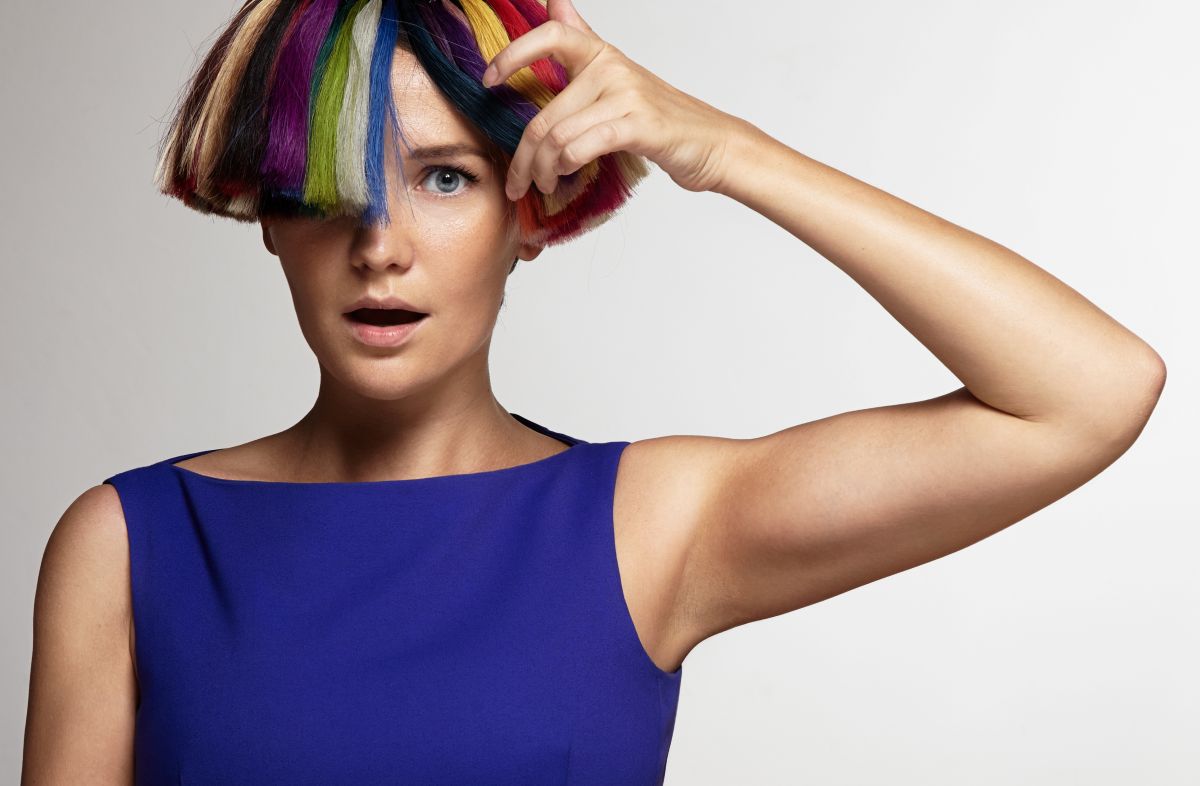
One of the most cited pieces is a 2022 observational paper in the Psychreg Journal of Psychology called “Blue Hair and the Blues: Dying Your Hair Unnatural Colours is Associated with Depression.” The authors analyzed a large dataset of online daters from OKCupid, roughly 14,000 profiles, and reported a statistical association between having an unnatural hair color and higher self reported depression or mental instability, even after controlling for several factors.
It’s easy to see why the internet ran with it. The finding is simple, visual, and feels like it explains a stereotype people already joke about. But the truth is more interesting, and much more human, than the headline.
First, the study is observational and based on self report. That matters because it can only detect correlation, not cause and effect. In plain language, it cannot tell us that dye causes distress. It can only tell us that, within that dataset, the two showed up together more often than chance would predict.
So what could that correlation mean?
One possibility is timing. People often change their hair when they’re going through something. A breakup, burnout, grief, a new job, a new identity, a quiet attempt at control when everything else feels messy. In that scenario, hair dye is not the problem. It’s the coping tool. The “after” photo is a mood reset, a small personal decision that says, “At least this part is mine.”
Another possibility is identity and non conformity. Bright hair can be a visible signal that someone doesn’t want to blend in, or doesn’t feel safe blending in. Living outside the mainstream can bring extra stress because of judgment, workplace policies, family conflict, or harassment. If a person with purple hair reports more anxiety, it might reflect the social pressure they deal with, not the pigment in the dye.
There’s also selection bias. Online dating platforms are not the whole population. People choose how to present themselves, what they disclose, what photos they upload, and whether they even join the platform. That means the dataset can exaggerate certain patterns simply because of who is present and how they self describe.
And then there’s the biggest trap: treating “unnatural hair color” like a personality type. It’s not. Two people can have the same neon pink hair for completely different reasons. One might be celebrating confidence and freedom, another might be trying to feel something after months of numbness, and a third just likes how it looks with their eyeliner. Grouping them together and labeling them “unstable” makes a neat story, but it’s not a fair one.
If you’re reading this and thinking, “Okay, but is there any reason to worry at all?” the most responsible answer is: not about your hair dye as a mental health risk. There is no strong evidence that dyeing your hair bright colors causes mental health issues. The 2022 OKCupid analysis is a correlation finding, and even the authors frame it within association rather than causation.
What is worth paying attention to is the emotional context behind a sudden appearance change. Sometimes it’s joyful experimentation. Sometimes it’s a sign you’re seeking relief. If you notice you’re repeatedly reaching for big external changes because you feel overwhelmed, anxious, or stuck, that’s not a reason to shame yourself. It’s information. Your brain is asking for care, and hair is simply where the request landed first.
A healthier takeaway looks like this: treat appearance choices as a conversation starter with yourself, not a diagnosis. Ask what you were hoping to feel when you booked the appointment or opened the dye box. More powerful. More visible. More in control. More like you. If the answer is, “I just wanted something new,” amazing. If the answer is, “I needed a reset,” that’s valid too, and it might be a cue to build more support around you.
If you want to keep it practical, try this mindset shift. Bright hair doesn’t mean unstable. It can mean creative, curious, tired, healing, rebellious, playful, or simply trendy. The color is not the story. The person is.
And if the internet tries to turn your shade into a stereotype, remember: correlation headlines travel fast because they’re catchy. Real life travels slower because it’s complicated. But real life is the one that’s true.