
Take a peek at your bathroom counter. What do you see? Probably a cleanser and a moisturizer. Maybe even an advanced product like VOL.U.LIFT™ GLP-1 4D Skin Rebound Complex if you’re serious about caring for your skin. That’s a great start for keeping your face feeling fresh, but what about everywhere else? For many people, full-body skincare consists of little more than a squirt of lotion on the arms, chest and hands — if that.
Face skincare has developed its own culture, complete with elaborate routines and endless waves of products. But your body’s covered in skin, too, and it’s subject to many of the same changes as your face. It just doesn’t get nearly as much attention.
That’s worth changing. Incorporating body skincare into your daily routine can help you look and feel your best, and it doesn’t require an enormous effort or budget-busting investment.
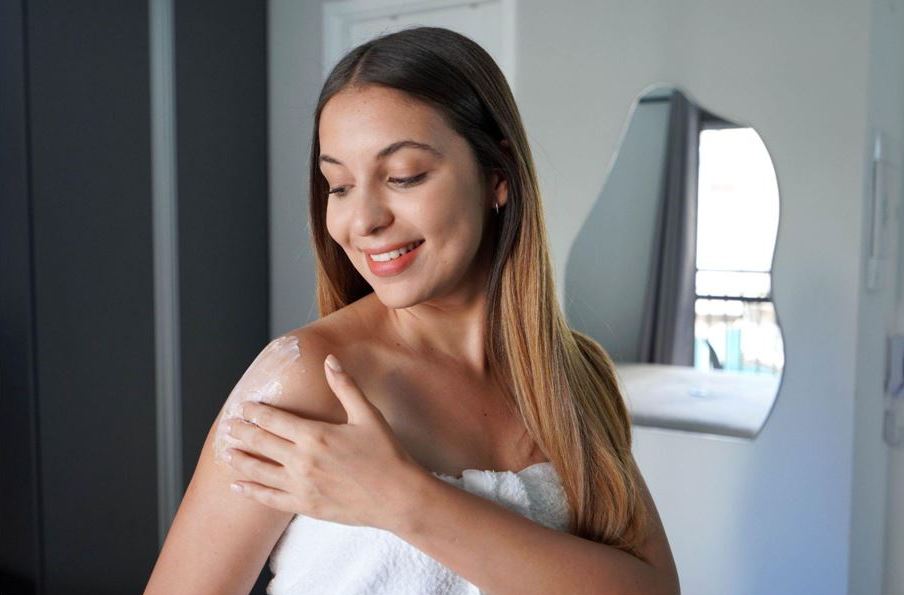
Извор: https://www.shutterstock.com/g/SergioMonti
Your Body Is Aging Along With Your Face
With so much emphasis on facial care, it’s easy to forget that your skin doesn’t stop aging at your jawline. As you get older, your body naturally produces less collagen and elastin, the proteins that help keep skin firm and resilient. It also tends to produce less oil, which means it may dry out faster than when you were younger.
These changes can be particularly noticeable in places that usually get the least attention. Your upper arms might feel rougher or start looking a little less firm. Your neck and chest may develop fine lines and uneven pigmentation, especially after years in the sun. Then there are your hands, which tend to age quickly thanks to frequent washing and regular exposure to the elements.
These changes are common, but they aren’t necessarily inevitable. They also don’t mean you need to start treating every inch of your body with a complicated lineup of products every day. Instead, you can often see good results by taking the basic habits and common-sense measures you already use for your face and applying them to the rest of your skin.
Start With Hydration
If your skin feels dry and rough or looks a little dull, start with moisture. Keeping your skin hydrated might not reverse the aging process, but it’s a key step in making your skin feel smoother and more comfortable.
When selecting a body moisturizer, look for ingredients such as ceramides, glycerin, hyaluronic acid or urea. These ingredients can help your skin attract and retain moisture or strengthen its ability to hold onto it.
There’s a simple trick that can make your moisturizer work better, too: Put it on while your skin is still slightly damp after a shower. You don’t need to be dripping wet. Just don’t wait until you’ve completely toweled off and your skin feels tight.
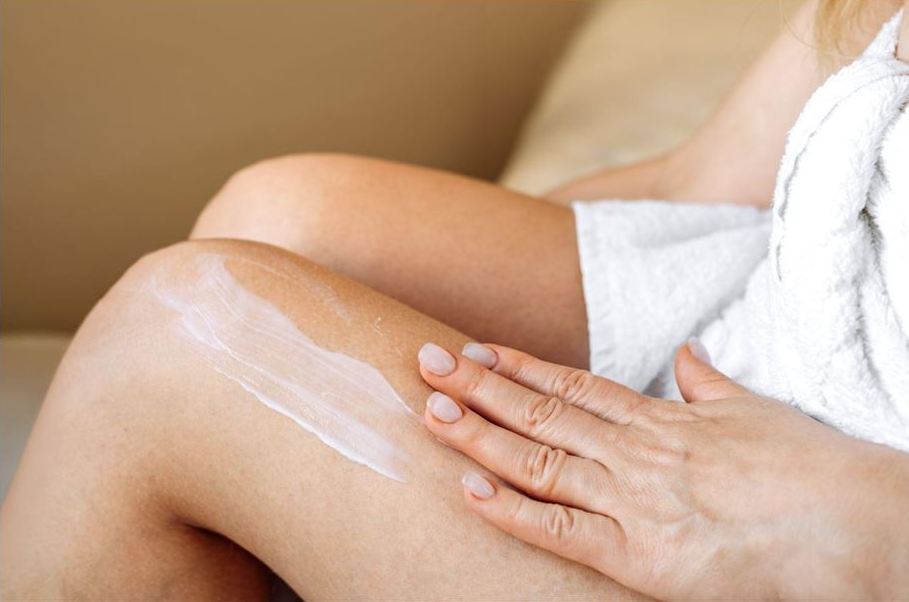
If your skin’s especially dry, try a thicker cream or ointment instead of a lightweight lotion. This can be particularly helpful for areas such as your elbows, knees, hands and lower legs, which are most prone to becoming dry and rough.
Извор: https://www.shutterstock.com/g/shadesofflorence
Target Texture With the Right Ingredients
Dryness isn’t the only reason body skin can look or feel different with age. You may also notice tiny bumps or rough patches, fine lines or wrinkles, changes in tone or sun damage. Many of these issues can be addressed, but you may need to look beyond a basic moisturizer.
One useful tool is an exfoliating product, which can help remove dead skin cells and improve the feel of your skin. But don’t go overboard. Exfoliating too often can affect your skin and, in some cases, damage the skin barrier. For body skincare, a scrub that combines physical and chemical exfoliants is an excellent option.
For more persistent concerns, targeted skincare products can provide more targeted formulations than a standard body lotion. A dermatologist or other qualified skincare professional can help you choose the best treatments to address your specific concerns, but ingredients to consider include:
- Antioxidants such as tetrahexyldecyl ascorbate and ferulic acid
- Retinol, which can help improve the appearance of fine lines, uneven tone and pores
- Ingredients such as vitamin C and peptides, which can support collagen production
Sunscreen Is Non-Negotiable
If there’s one skincare habit worth prioritizing, make it sun protection. The fact is, you don’t need to be sitting by a pool or relaxing on a sun-soaked beach to accumulate UV exposure. Your skin can get plenty of solar radiation while you’re walking outside, driving or running errands — even on cloudy days.
And it’s not just your face you need to worry about. Your neck, chest and arms catch a lot of UV rays as well, and too much unprotected exposure is a key contributor to wrinkles, uneven pigmentation and loss of firmness. Your hands have a similar problem, with the added complication of frequent washing.
To counteract this, make a habit of applying broad-spectrum sunscreen with SPF 30 or higher to any exposed skin, including your neck, chest and hands. Reapply often when you’re spending extended time outdoors, especially if you’ve been swimming or sweating.
You can also bring some of your facial skincare down to your neck and chest. A moisturizer that works well for your face may work just as well there. If you’re using a product with a stronger main ingredient, though, introduce it gradually. The skin on your neck and chest can be more sensitive than the skin on your face.
Finally, if you’re outside for long periods in the midday sun, try to stick to the shade when you can. For additional protection, consider hats or clothing that cover more of your skin.
If you’ve already made sunscreen part of your facial routine, extending that habit to your body is one of the easiest ways to take better care of your skin long term.
What’s Going on With “Ozempic Face”
In recent years, many people have experienced significant weight loss while taking medications such as Ozempic and Wegovy. These medications are GLP-1 receptor agonists and can promote significant weight loss in some people. Unfortunately, this kind of weight loss isn’t always kind to your skin.
When you lose a significant amount of weight, you also lose some of the fat beneath your skin. That includes the facial fat that helps provide volume and support. If weight comes off quickly or in substantial amounts, the resulting loss of facial volume can make existing signs of aging more noticeable, a change that’s commonly referred to as “Ozempic face.”
Despite the name, this isn’t really an Ozempic-specific phenomenon. Similar changes can occur after significant weight loss from other GLP-1 medications. These changes can include less facial fullness, looser-looking skin and more noticeable lines and wrinkles.
The use of GLP-1 agonists may also affect skin health in other ways, both directly and indirectly. GLP-1s may alter certain types of skin cells, though clinical research is ongoing. Significant weight loss also changes your body’s nutritional needs and composition, and inadequate nutrition during weight loss can affect overall skin health.
That doesn’t mean everyone taking a GLP-1 medication will experience these changes, nor does it mean the medications are inherently bad for your skin. If you’re taking one and you’re concerned about changes in your appearance, talk with your healthcare provider about your rate of weight loss, nutrition and overall health.
Your skincare routine can play a role in supporting skin health while undergoing GLP-1 treatment as well. In addition to keeping your skin moisturized and protecting it from the sun, clinical-grade products like VOL.U.LIFT™ Body can deliver targeted treatment to help maintain a healthier-looking appearance.
Keep Your Body Routine Simple
Your body skincare routine doesn’t need to become another chore you have to squeeze into your morning. Just taking a few minutes to cover the basics can have a big impact.
Start with a gentle cleanser, especially if your skin is dry or sensitive. Apply moisturizer shortly after showering while your skin is still a bit damp. During the day, use sunscreen on exposed areas anytime you head outside. For more specific concerns, such as rough texture, discoloration or changes related to GLP-1 use, consider adding a reputable clinical-grade product with quality ingredients targeted to your particular issue.
Your skin is changing all over your body. Giving it the attention it deserves can help you maintain smoother, healthier, more youthful-looking skin, and it doesn’t take much to get started. Good skincare isn’t about doing everything. It’s about doing the right things, and doing them regularly.