
When people hear about Colombia, they often think of coffee, cumbia music, vibrancy, and the inviting warmth of Hispanic culture. But there’s something else Colombia is also known for: emeralds. For Katherine Paul, founder and creative director of the fine jewelry brand Mera Jewelry, those emeralds are part of her home, and she wants to share that with the world.
Paul grew up in Colombia, where emeralds are ingrained in the country’s culture. People have mined them for centuries, traded them across borders, worn them as royalty, and prized them for a green so distinctive that collectors can immediately recognize their Colombian origin.
Today, that connection follows Paul and Mera Jewelry to Southern California. But Paul hasn’t just built an emerald company. Mera Jewelry is a meeting point between two parts of Paul’s life: her Colombian heritage and the technical understanding of gemstones she later developed through formal training.
On Mera Jewelry’s website, Paul explains how she brings her heritage into her work. And while it may sound simple, that statement explains a great deal about Paul’s brand.
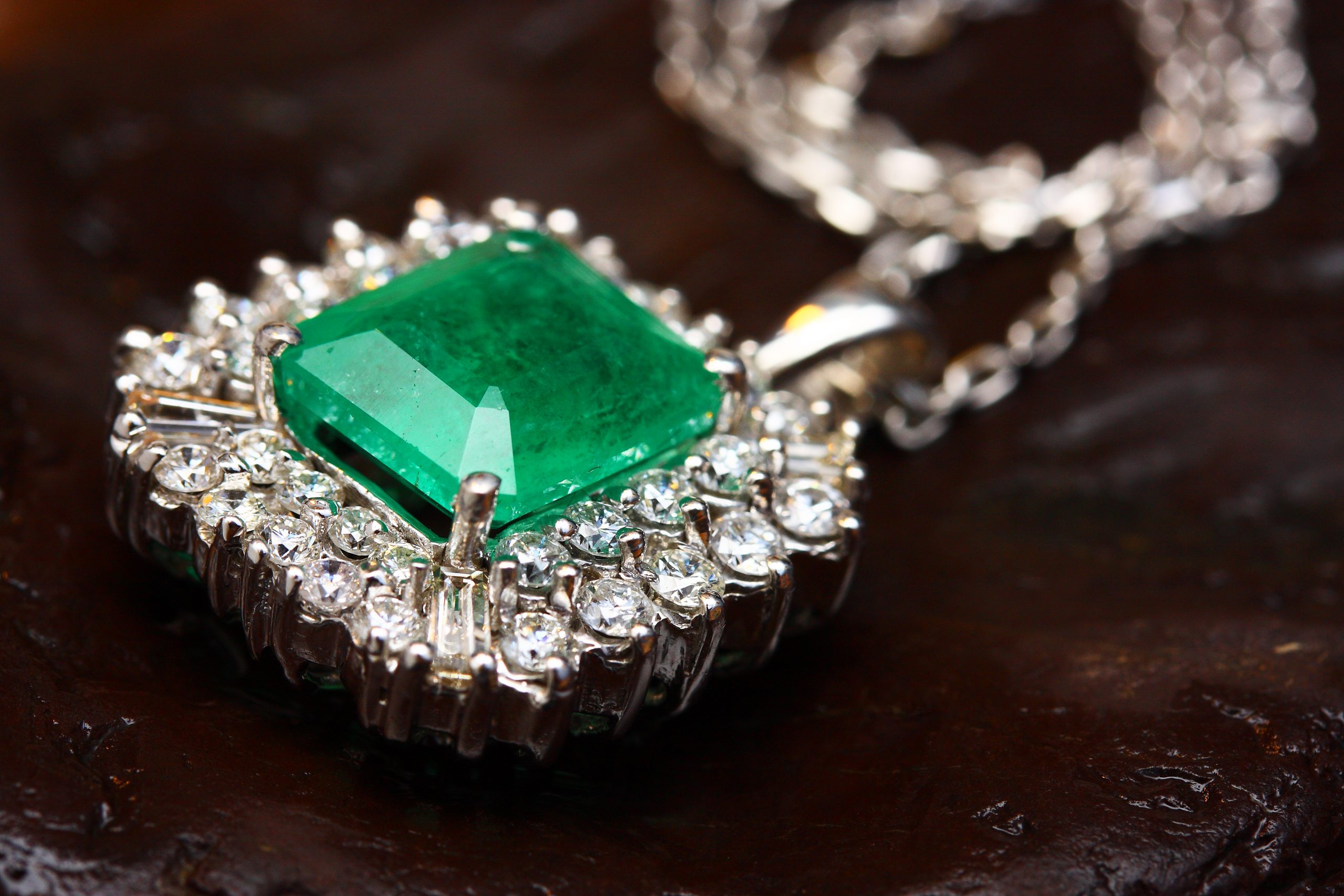
freestockcenter – Magnific.com
From Colombia to California
Paul’s path into jewelry combines sentiment with science. As a graduate of the Gemological Institute of America (GIA), where she specialized in diamond grading, she gained the technical foundation to evaluate gemstones beyond what the eye first sees. Color may be what draws someone to an emerald, but truly understanding one requires much more.
For Paul, that complexity is part of the attraction. Her Colombian heritage gave her an emotional connection to emeralds, while her training at GIA gave her the language to understand them.
Mera Jewelry grew out of that connection. The company now works with Colombian emeralds alongside diamonds, sapphires, rubies, and fine gold, creating collections that range from understated everyday jewelry to pieces with considerably more presence.
However, emeralds remain particularly close to the brand’s identity.
Why Colombian emeralds are different
Emeralds are found all over the world. But Colombian stones form under an unusually rare geological process.
According to the GIA, Colombia’s emerald deposits developed in sedimentary rock in the eastern Cordillera of the Andes, rather than in the igneous or metamorphic environments associated with many other emerald sources. That difference affects the stones’ chemistry.
Colombian emeralds often contain lower levels of iron, allowing chromium and vanadium (the elements responsible for emerald’s color) to produce the vivid, luminous greens the gemstone is known for. GIA notes that the most desirable emeralds generally range from bluish green to pure green with strong saturation.
Even within Colombia, stones can vary by mining region. Muzo, Chivor, and Coscuez each produce emeralds with slightly different tones and characteristics.
For Paul, that variation is part of the appeal. An emerald’s Colombian origin may be part of the story, but the stone’s quality still has to speak for itself.
Bringing Colombian color to Southern California
California’s laid-back, diverse landscape is the perfect setting for Colombia’s emeralds’ unmistakable color. The Golden State’s style has long made room for a certain kind of luxury that feels polished without being overly formal. Fine jewelry can be layered, mixed, or worn casually rather than stored away until evening or for “special occasions only.”
For Paul, bringing Colombian emeralds into this environment also means her role becomes part designer and part educator. A client considering an emerald is not simply choosing a color. Questions typically arise about the gemstone’s origin, treatments, clarity, durability, setting, and how it will actually be worn.
In bespoke work, Paul can guide a client through selecting a gemstone and developing a piece around it, rather than beginning with a finished design. It’s an older way of approaching luxury: slower, more personal, and built around conversation.
Jewelry that can outline a trend
Mera Jewelry may operate within the fashion world, but Paul’s designs are not built around seasonal turnover. (After all, that would defeat their purpose.)
Fine jewelry is often expected to stay relevant far longer than the clothes that frame it. Dresses are donated, shoes wear out, and overall trends move on. But jewelry — especially fine jewelry — can last a lifetime or more.
The necklace a woman purchases in her 30s will be passed down to her daughter, then maybe her granddaughter, and so forth. A gifted bracelet can be worn for different celebrations, and then it’ll be recognized in old photographs. Eventually, the item’s value can become almost impossible to separate from the memories attached to it.
That is the version of luxury Paul most cares about. Mera Jewelry’s collection may begin with precious materials, but Paul’s goal is to create jewelry that becomes connected to the woman wearing it and can move from one generation to another. The emerald itself may have traveled thousands of miles from Colombia to California.
But the emerald’s story doesn’t end there. For Katherine Paul, that is where it begins.