
Dealing with a child’s mental health concern or issues, such as those labeled as ADHD, can cause confusion and frustration for many parents who rely on medical professionals to guide them in decision-making about treatment options, including medications. However, if parents are not given all of the necessary information to help them make the right decision for children and adolescents, the result can be devastating.
Ellen Lubensky, an attorney and mental health advocate, knows all too well the problems that misdiagnosis and the wrong medication can cause. Now, she is speaking out in favor of stronger informed consent and providing education about alternatives and complementary treatments that parents can explore to help their children thrive.
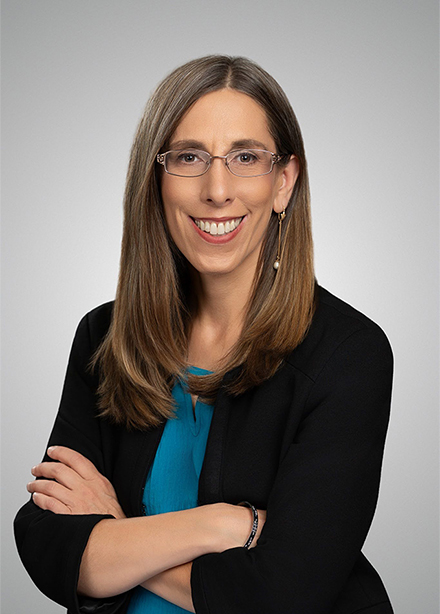
Lubensky’s own story of recovery
The issue of informed consent, which entails giving patients all of the information about a proposed treatment, including risks, side effects, and withdrawal information, is one that Lubensky takes seriously. Better informed consent could have changed the entire trajectory of her life.
Misdiagnosed nearly 30 years ago, Lubensky spent decades taking medication that caused her physical and emotional harm. Today, through careful tapering and diet-based healing, she is reclaiming her life and her voice by helping others avoid the pain she endured for so long.
“There is a human cost to misdiagnosis and to a lack of informed consent from the medical community,” Lubensky explains.
For years, Lubensky trusted the medical system. Now, she’s helping other people, including parents, find alternatives and lifestyle changes that can make a significant difference in their health and well-being.
From suppressing mental health symptoms to supporting health with complementary and alternative treatments
For many parents, watching their child endure the symptoms of a mental health issue or a condition labeled as ADHD can be heartbreaking. Their gut instinct may tell them that suppression of symptoms is the way to go, to give themselves and their child some relief. However, Lubensky feels that a healthier mindset may be to think, “What is happening to my child’s body and mind, and how can I best support them?”
As Lubensky has explored, there are many alternative routes one can take to address mental health issues. Breathwork is one of the most effective alternative treatments parents can consider to help activate the body’s relaxation response and lower stress levels. These exercises can be taught to children in simple, impactful ways, such as inhaling for a certain number of seconds and exhaling slowly to help the body settle. Child-friendly routines such as belly breathing with a stuffed animal can be a great way to help children naturally regulate their emotions.
Structured psychotherapy is another approach that can be considered an alternative to a medication-first philosophy. Structured psychotherapy for children can help them name difficult emotions, harness anxious thoughts, practice healthy coping strategies, and process difficult experiences with a trained professional. The structured setting gives both children and parents the space and time to unravel the often complicated web of emotions in mental health conditions. Children often respond to the emotional climate around them, so having a structured space and outlet for healing can be transformative.
Other alternative therapies that Lubensky has explored include dietary changes, exercise, mindfulness meditation, and creative therapies such as art and music.
According to studies, over half of the children labeled with ADHD in the United States take medication to help treat their symptoms. With the number of children on medication skyrocketing, Lubensky feels it’s even more important today that parents understand the risks, side effects, and diagnostic reasoning before placing their child on a medication.
“The most important aspect of any treatment path is informed consent by health professionals,” Lubsensky explains. “Both parents and patients deserve to know all relevant information before making a decision.”
Beyond a prescription for pediatric patients
Lubensky is a significant voice in mental health because she has experienced the negative impact that weak informed consent can have on a person’s life. For children who may not be able to advocate for themselves, informed consent is crucial for their parents to make the healthiest decision for them.
Through her speaking work and the educational resources on her website, Lubensky is helping people better understand informed consent and make healthier choices for effective treatments.
“I speak up because I know there are people out there like me who may be living under a wrongful diagnosis and taking medications that are more harmful than helpful,” she explains.
For parents who want to give their children the best treatment pathways possible, informed consent and knowing their alternative options can make all the difference.