
In today’s competitive marketplace, having a strong brand presence is essential for any business looking to thrive. One of the most effective ways to enhance that presence is through branded merchandise. However, to maximize the impact of your merchandise, it must be effectively aligned with your digital marketing strategy. This blog post explores how you can sync your Branded business merchandise with your digital marketing efforts for greater visibility, engagement, and ultimately, sales.
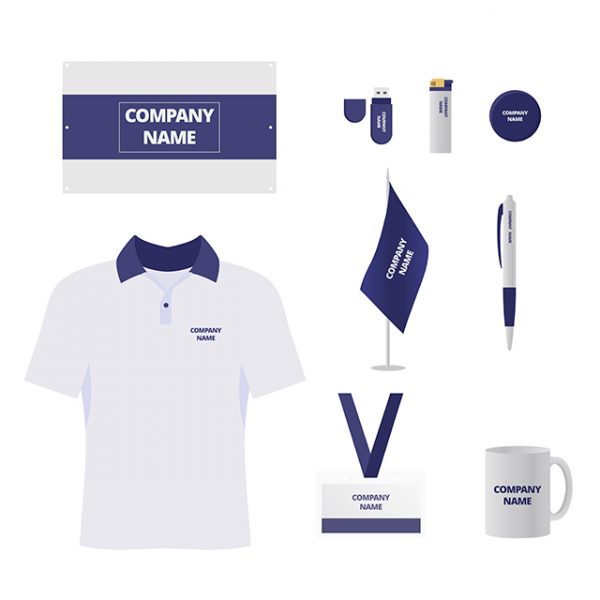
Understanding the Importance of Brand Merchandise
Brand merchandise serves as a tangible representation of your company’s identity, values, and mission. When designed thoughtfully, it can help foster customer loyalty and create a community around your brand.
- Building Recognition: Quality merchandise that reflects your brand identity can increase recognition among your target audience.
- Creating Emotional Connections: Customers often feel more connected to brands that offer tangible products they can utilize.
- Revenue Generation: In addition to promoting the brand, merchandise can serve as an additional revenue stream.
According to recent studies, consumers are more likely to purchase from brands that have a cohesive image and message across all platforms, making it crucial to integrate your merchandise into your overall marketing strategy.
Aligning Merchandise with Your Brand Identity
Before diving into promotional strategies, it is vital to ensure that your merchandise aligns with your brand identity. This involves understanding the core elements of your brand and translating them into product offerings.
Establishing Brand Guidelines
- Logo Usage: Incorporate your logo in a way that feels natural and not forced on the merchandise.
- Color Palette: Use colors that represent your brand’s personality; this creates consistency in visual communications.
- Messaging: Ensure the messaging on merchandise aligns with what you communicate digitally.
When merchandise reflects these elements, it reinforces brand recognition and fosters trust among consumers.
Selecting Appropriate Merchandise Types
Different types of merchandise resonate differently with audiences:
- Apparel: T-shirts or hats can be effective for casual brands.
- Tech Gadgets: Items such as USB drives or phone cases work well for tech-oriented businesses.
- Eco-Friendly Products: Reusable bags or biodegradable items appeal to environmentally conscious consumers.
By choosing merchandise types that align with both your brand identity and customer preferences, you set the foundation for successful integration into your marketing strategy.
Integrating Merchandise into Your Digital Marketing Strategy
Once you have established alignment between your merchandise and brand identity, the next step is integration into your digital marketing strategy. This involves not just promoting products but creating a narrative around them that resonates with consumers.
Creating a Comprehensive Content Calendar
A content calendar helps streamline promotional efforts across various platforms:
- Social Media Posts: Schedule regular posts featuring new merchandise alongside engaging visuals.
- Blog Content: Write articles that incorporate merchandise naturally within topics relevant to your audience.
- Email Campaigns: Plan specific promotions or product launches linked directly to email marketing efforts.
This structured approach ensures consistent messaging while allowing room for creativity.
Using SEO Best Practices
To ensure maximum visibility of your branded merchandise in online searches:
- Keyword Research: Identify keywords related to both your merchandise and digital marketing efforts.
- Product Descriptions: Optimize product descriptions by incorporating relevant keywords naturally.
- Content Integration: Include links to product pages within blog posts and other content for easy navigation.
Applying SEO best practices enhances discoverability, driving more traffic toward both your website and merchandise.
Utilizing Social Media to Promote Merchandise
Social media platforms are powerful tools for engaging potential customers and showcasing branded merchandise effectively.
Creating Engaging Visual Content
Visual content is vital on social media:
- High-Quality Images: Invest in professional photography to showcase products appealingly.
- User-Generated Content: Encourage customers to share images using your products, enhancing authenticity.
- Stories and Reels: Utilize features like Instagram Stories or TikTok videos to create dynamic content around product launches.
By harnessing the visual nature of social media, you foster a community around your Branded business and encourage interactions.
Running Targeted Advertising Campaigns
Paid advertising on social media allows targeted promotions:
- Audience Segmentation: Identify segments based on demographics or interests relevant to your products.
- Retargeting Ads: Use retargeting ads to reach users who have previously engaged with your website or social media profiles.
- Promotions and Discounts: Create ads around special offers or limited-time discounts on merchandise.
Implementing targeted campaigns helps raise awareness while driving sales directly through social media channels.
Email Marketing: An Effective Tool for Merchandise Promotion
Email remains one of the most effective digital marketing channels when done right, especially for promoting branded merchandise.
Building an Engaging Email List
- Subscription Incentives: Offer exclusive discounts or freebies in exchange for email sign-ups.
- Segmentation: Segment lists based on customer behavior or preferences for tailored messaging.
- Regular Updates: Send regular newsletters featuring new items and engaging content related to the brand ethos.
An engaged email list provides a direct line of communication with potential customers interested in purchasing branded items.
Crafting Compelling Email Campaigns
- Personalization: Use customer names in greetings and tailor product recommendations based on past purchases.
- Clear CTAs: Make sure each email contains clear calls-to-action directing recipients toward product pages.
- Storytelling Elements: Incorporate storytelling about how certain products were created or their significance in relation to the brand.
These elements contribute to higher open rates and conversions from email campaigns focused on merchandising efforts.
Collaborating with Influencers and Brand Ambassadors
Partnering with influencers can amplify your reach significantly by introducing your branded merchandise to new audiences who align with your target market.
Selecting the Right Influencers
When selecting influencers:
- Relevance: Choose influencers whose values align closely with those of Totally Branded.
- Engagement Rate: Look beyond follower counts; assess engagement rates to determine effectiveness.
- Authenticity: Ensure they genuinely use or appreciate products; this enhances trust in their recommendations.
Authentic partnerships lead to organic promotion rather than forced advertising campaigns, making them more effective in reaching potential customers.
Developing Collaborative Campaigns
Influencer partnerships should be collaborative:
- Product Reviews & Giveaways: Have influencers review products or host giveaways that encourage audience participation.
- Sponsored Posts & Stories: Create sponsored content where influencers showcase how they use the merchandise in their daily lives.
- Event Appearances: Consider hosting events where influencers wear or promote products live; this creates real-time engagement opportunities.
Such collaborations not only promote products but also integrate them into lifestyle contexts that resonate well with audiences.
Analyzing Performance and Customer Feedback
The final step in successfully syncing your branded merchandise with digital marketing strategies is analyzing performance metrics and gathering feedback from customers regarding their experiences with both products and promotions.
Key Performance Indicators (KPIs)
To gauge the success of integrating merchandising into digital strategies:
- Sales Data Analysis: Monitor which products are selling well through various channels; this informs future inventory decisions.
- Engagement Metrics: Track likes, shares, comments, and click-through rates from social media campaigns.
- Email Open Rates & Conversions: Analyze how many recipients engage with emails focused on merchandising efforts versus standard communications.
Understanding these metrics enables businesses to pivot strategies where necessary for optimal performance.
Gathering Customer Feedback
Feedback is invaluable in refining both merchandising concepts and promotional tactics:
- Surveys & Polls: Use tools like surveys after purchases for insights about customer satisfaction regarding both products and overall experience.
- Social Listening Tools: Monitor mentions across various platforms for organic customer feedback; adjust approaches based on sentiment analysis.
- Loyalty Programs & Incentives for Reviews: Encourage repeat customers to write reviews by offering loyalty rewards; positive testimonials can be leveraged in marketing materials.
Customer feedback not only helps improve product offerings but also strengthens relationships between brands and consumers when they feel heard.
Case Studies: Successful Integration of Merchandise and Marketing
Several brands have successfully synchronized their merchandising strategies within digital marketing frameworks:
Case Study 1 – A Fashion Brand
A well-known fashion label utilized influencer partnerships effectively by creating limited-edition lines showcased exclusively through influencer channels before wider releases occurred online, generating buzz ahead of launches while increasing online sales significantly during these events.
Case Study 2 – A Tech Company
A tech company integrated its product launches seamlessly into its email campaigns by providing subscribers early access previews alongside special discounts; this dual approach resulted in higher conversion rates than traditional marketing methods alone could achieve.
These case studies illustrate how innovative approaches can lead to successful outcomes when blending merchandising strategies with digital marketing efforts effectively—providing inspiration for any business looking to enhance its own initiatives along similar lines without losing sight of core branding principles throughout the process as demonstrated by Totally Branded’s commitment towards quality consistency across all avenues explored herein today!
The landscape surrounding branded merchandise continues evolving rapidly amidst changing consumer preferences; therefore adapting regularly while maintaining coherent messaging remains paramount going forward!