
Frizz, dryness, and dull hair are common hair woes, especially when dealing with harsh weather, chemical treatments, or frequent styling. Many people turn to salon treatments like keratin treatments for smooth, shiny, and manageable hair. But did you know you can achieve similar results at home? DIY keratin hair treatment is becoming increasingly popular, offering convenience, cost savings, and professional-looking results if done correctly.
In this article, we’ll explore everything you need to know about DIY keratin hair treatment—from understanding what keratin is, to who should consider it, benefits, safety tips, and how to maintain healthy hair after treatment. By the end, you’ll be ready to confidently try a keratin treatment at home while keeping your hair healthy and strong.
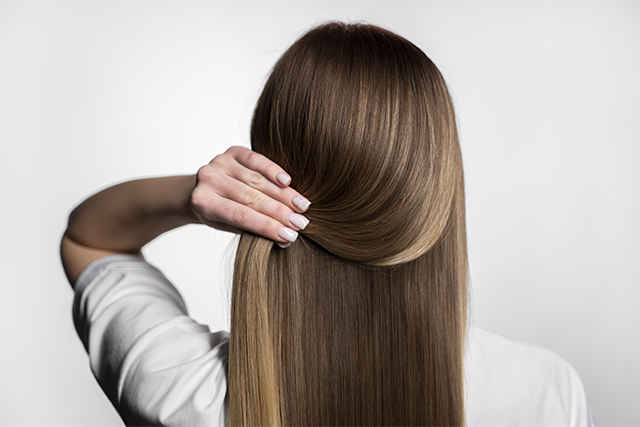
What is Keratin and Why Your Hair Needs It
Keratin is a naturally occurring protein that forms the structure of your hair, skin, and nails. In hair, keratin acts as a protective shield, maintaining strength, elasticity, and smoothness. Over time, everyday factors such as sun exposure, heat styling, coloring, and even hard water can strip keratin from your hair. This leads to frizz, breakage, split ends, and a lackluster appearance.
Keratin treatments aim to replenish lost protein, smooth the hair shaft, and reduce frizz. While professional salon treatments are widely known, the growing trend of keratin home treatment shows that you don’t always need to visit a salon to enjoy smoother, shinier hair.
Benefits of DIY Keratin Hair Treatment
Taking your haircare into your own hands can be empowering. Here are some of the key benefits of performing a keratin treatment at home:
- Cost-effective: Salon keratin treatments can cost hundreds of dollars. A DIY keratin home treatment offers a fraction of that cost.
- Convenience: You can schedule treatments at your own pace without worrying about salon appointments.
- Customization: DIY treatments allow you to choose products that suit your hair type and preferences.
- Long-lasting results: When done correctly, keratin treatments can last a few weeks at home, similar to professional treatments.
It’s important to note that results depend on your hair type, the product used, and following the proper steps. While DIY treatments can be effective, they require care and attention to detail.
Who Should Consider a Keratin Home Treatment?
Keratin treatments suit most hair types, but they are especially ideal for anyone who:
- Wants a quick, cost-effective solution at home.
- Desires salon-like smoothness without leaving the house.
- Needs low-maintenance hair for busy lifestyles.
- Has frizzy, dry, or chemically treated hair that needs strengthening and protection.
Ingredients to Avoid in Home Keratin Products
Not all keratin treatments or keratin-infused products are created with the same level of care. Some formulas contain harsh ingredients that can compromise hair strength, strip moisture, or irritate the scalp—especially in hot, humid climates where hair is already more vulnerable.
Here are the key ingredients you should avoid when choosing any keratin-based product for at-home use:
1. Formaldehyde & Formaldehyde-Releasing Agents
This is an ingredient that are often found in chemical straightening treatments which can release strong fumes and may cause scalp discomfort. Common names include:
- Methylene glycol
- Formalin
- Quaternium-15
- DMDM hydantoin
Look for “formaldehyde-free” claims to keep your scalp and hair safer.
2. Sulfates (SLS & SLES)
Sulfates create a rich foam, but they can be too cleansing, stripping away essential lipids, keratin, and moisture. This can lead to frizz, dryness, and faster color fade.
3. Sodium Chloride (Salt)
Salt is often added as a thickening agent in shampoos, but it can weaken keratin coatings and reduce the longevity of your treatment. If you want your keratin results to last, choose a salt-free formula.
4. Harsh Alcohols
Some alcohols evaporate quickly and can dehydrate the hair shaft. Avoid:
- Isopropyl alcohol
- Ethanol
- SD alcohol
- Propanol
However, “fatty alcohols” like myristyl, cetyl or stearyl alcohol are safe and moisturising.
5. Parabens
Used as preservatives, parabens may cause scalp sensitivity for some people. Keratin-treated hair is already delicate, so it’s best to stick with gentler, modern preservative systems.
6. Synthetic Dyes & Strong Fragrances
Artificial colorants and overly strong fragrances can irritate the scalp, especially if your hair cuticle has been exposed during a keratin treatment.
7. High-pH Chemicals
Ingredients with high alkalinity (like sodium hydroxide) can open the cuticle too aggressively, interfering with how keratin bonds to the hair.
Common Mistakes to Avoid in DIY Keratin Treatments
Even with the best intentions, mistakes can happen. You can avoid these pitfalls:
- Skipping instructions: Always follow product directions carefully to avoid overuse or damage.
- Using excessive product: Overloading hair can weigh it down or make it sticky.
- Incorrect heat application: Too much heat can damage hair; too little prevents proper sealing.
- Washing too soon: Keratin needs time to bond with the hair shaft for optimal results. Follow the instructions on how long you need to leave in the product, before washing it off.
Why You Should Try DIY Keratin Hair Treatment
A DIY keratin hair treatment can be a game-changer for anyone struggling with frizz, dryness, or dull hair. By understanding what keratin does, choosing the right products, and following proper care routines, you can enjoy smooth, shiny, and manageable hair without leaving home.
For those looking to replicate salon results, incorporating a keratin treatment into your routine can make a noticeable difference.
Remember, consistency, care, and the right products are key to achieving long-lasting, frizz-free hair.