
Introduction to Polyurethane Waterproof Coating
Polyurethane waterproof coating stands as a cornerstone in modern waterproofing solutions, offering robust protection against moisture infiltration in various structures. Derived from a chemical reaction between polyols and isocyanates, this versatile material forms a seamless, elastic membrane that adheres tightly to surfaces, preventing water damage over extended periods. At Great Ocean Waterproof, we specialize in high-quality polyurethane coatings designed for both residential and commercial applications, ensuring durability and performance in challenging environments.
This coating’s popularity stems from its ability to adapt to dynamic conditions, such as temperature fluctuations and structural movements, without cracking or losing efficacy. Unlike traditional methods that rely on rigid barriers, polyurethane provides a flexible shield that expands and contracts, making it ideal for regions with variable climates. In this article, we delve into the intricacies of polyurethane waterproof coating, exploring its composition, benefits, applications, and best practices to help you make informed decisions for your waterproofing needs.
Understanding the Composition and Types
Chemical Makeup of Polyurethane Coatings
Polyurethane waterproof coatings are synthesized through a polymerization process where diisocyanates react with polyols, resulting in a polymer chain that exhibits exceptional elasticity and strength. This reaction can be tailored to produce either single-component or two-component systems. Single-component versions cure upon exposure to atmospheric moisture, simplifying application for DIY enthusiasts, while two-component systems require mixing on-site for enhanced control over curing times and properties.
The inclusion of additives, such as UV stabilizers, pigments, and fillers, further enhances the coating’s resistance to environmental factors. For instance, aliphatic polyurethanes resist yellowing from sunlight, making them suitable for exposed surfaces, whereas aromatic types offer cost-effective solutions for hidden applications. Understanding these nuances allows professionals to select the right formulation, ensuring long-term protection against water, chemicals, and abrasion.
Varieties Available in the Market
The market offers a range of polyurethane waterproof coatings, categorized by their base chemistry and intended use. Water-based polyurethanes are environmentally friendly, emitting low volatile organic compounds (VOCs), which makes them compliant with stringent regulations in urban areas. Solvent-based options, on the other hand, provide superior penetration into porous substrates like concrete, ideal for industrial settings where deep sealing is required.
Hybrid polyurethanes, combining polyurethane with other polymers like acrylics, offer balanced properties such as improved adhesion and faster drying times. At Great Ocean Waterproof, our product line includes these variants, each rigorously tested to meet international standards like ASTM D412 for tensile strength and ASTM E96 for water vapor transmission. By choosing the appropriate type, users can address specific challenges, from rooftop waterproofing to basement sealing, with precision and reliability.
Key Benefits and Advantages
Superior Durability and Longevity
One of the primary advantages of polyurethane waterproof coating is its unparalleled durability, capable of withstanding harsh weather conditions for up to 20 years or more with proper maintenance. The material’s high tensile strength—often exceeding 500 psi—allows it to bridge minor cracks in substrates, preventing water ingress that could lead to structural deterioration. This resilience is particularly valuable in seismic-prone areas, where buildings experience frequent movements.
Moreover, polyurethane coatings exhibit excellent resistance to chemicals, including acids, alkalis, and salts, making them suitable for environments like coastal regions or industrial facilities exposed to corrosive elements. Real-world applications, such as protecting bridge decks or parking garages, demonstrate how this coating extends the service life of infrastructure, reducing the need for frequent repairs and associated costs.
Flexibility and Seamless Application
Polyurethane’s elastomeric nature provides flexibility up to 300-500% elongation, accommodating thermal expansion and contraction without failure. This property is crucial for surfaces like roofs or balconies that endure daily temperature swings. The seamless application eliminates joints and seams, common weak points in sheet-based systems, ensuring a continuous barrier against moisture.
In addition to flexibility, the coating’s quick curing time—often within hours—minimizes downtime during projects. This efficiency is a boon for commercial operations, where interruptions can be costly. Enhanced with anti-slip additives, polyurethane can also improve safety on walkable surfaces, combining waterproofing with functional benefits.
Environmental and Health Considerations
Modern polyurethane formulations prioritize sustainability, with low-VOC options that contribute to better indoor air quality. These eco-friendly variants align with green building certifications like LEED, appealing to environmentally conscious projects. Furthermore, the coating’s ability to reflect UV rays can reduce heat absorption, lowering energy costs for cooling in warm climates.
From a health perspective, properly cured polyurethane is non-toxic and resistant to mold growth, promoting healthier living spaces. By preventing water damage, it indirectly mitigates issues like rot or mildew, which can affect respiratory health. Great Ocean Waterproof’s commitment to these standards ensures our products not only protect structures but also support broader environmental goals.
Common Applications in Various Industries
Residential and Commercial Buildings
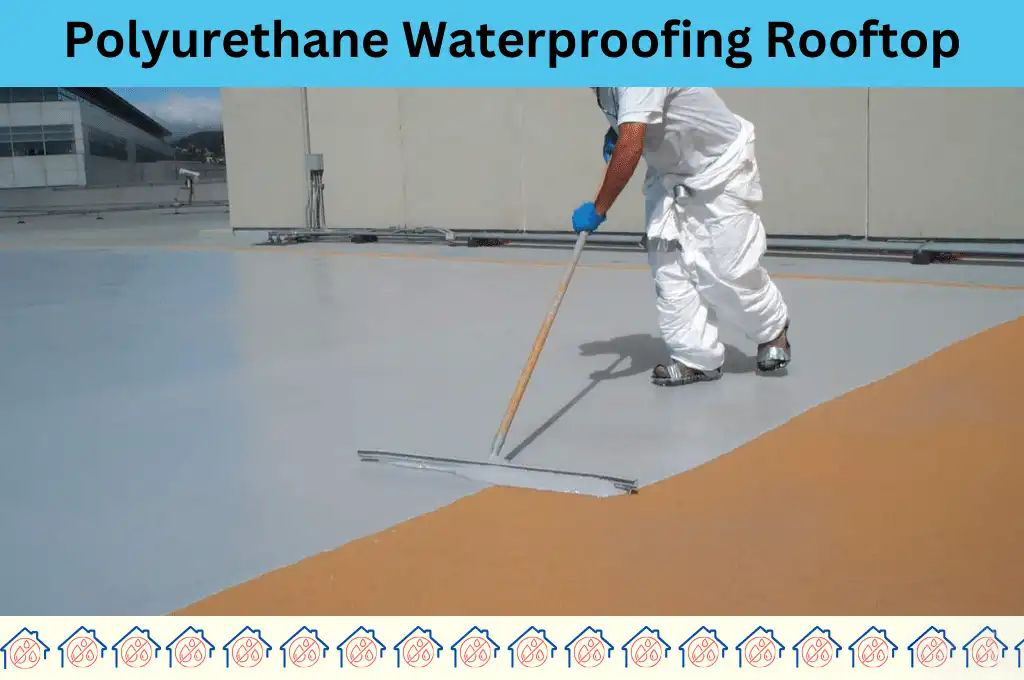
In residential settings, polyurethane waterproof coating is extensively used for flat roofs, balconies, and foundations, providing a reliable defense against leaks and dampness. For instance, applying it over concrete slabs in basements creates a vapor barrier that keeps interiors dry, even in flood-prone areas. Homeowners benefit from its aesthetic versatility, as it can be top-coated with colors or textures to match architectural designs.
Commercially, it’s applied in shopping malls, hotels, and office buildings to waterproof podiums, terraces, and underground parking. The coating’s ability to handle foot traffic and vehicular loads makes it indispensable for high-use areas. Case studies from urban developments show how polyurethane extends the lifespan of these structures, offering a cost-effective alternative to replacement.
Industrial and Infrastructure Projects
Industrial applications leverage polyurethane’s chemical resistance for protecting storage tanks, pipelines, and factory floors from corrosive spills and moisture. In wastewater treatment plants, it lines concrete channels to prevent erosion and contamination. Infrastructure projects, such as tunnels and bridges, utilize spray-applied polyurethane for rapid, large-scale coverage, ensuring watertight seals in critical zones.
Agricultural facilities also employ this coating for silos and barns, safeguarding against humidity that could spoil stored goods. Its adaptability to irregular surfaces, like those in mining operations, highlights its role in maintaining operational integrity across diverse sectors.
Specialized Uses in Marine and Automotive
In marine environments, polyurethane waterproof coatings protect boat hulls and docks from saltwater intrusion, enhancing corrosion resistance. Automotive applications include underbody protection for vehicles, shielding against road salts and moisture. These specialized uses underscore the material’s versatility, extending beyond construction to transportation and leisure industries.
Application Techniques and Best Practices
Surface Preparation Essentials
Successful application begins with thorough surface preparation, including cleaning to remove dirt, oils, and loose particles. Priming porous substrates ensures optimal adhesion, while repairing cracks with compatible fillers prevents future issues. Environmental conditions, such as humidity below 85% and temperatures between 50-90°F, are critical to avoid defects like bubbling.
Professionals recommend abrasive blasting or acid etching for concrete surfaces to create a profile that enhances bonding. At Great Ocean Waterproof, we provide detailed guidelines and compatible primers to streamline this process, ensuring a flawless foundation for the coating.
Step-by-Step Application Process
The application involves mixing components if using a two-part system, followed by rolling, brushing, or spraying onto the prepared surface. Multiple coats—typically two to three—build the desired thickness, usually 20-60 mils, with adequate drying time between layers. For vertical surfaces, thixotropic formulations prevent sagging.
Post-application inspection for pinholes or thin spots is essential, with touch-ups applied as needed. Curing times vary, but full strength is often achieved within 7-14 days. Safety gear, including respirators and gloves, protects applicators from isocyanates during the process.
Maintenance and Troubleshooting
Regular inspections every 1-2 years help identify wear, with cleaning using mild detergents to maintain appearance and performance. Re-coating worn areas extends service life without full removal. Common issues like blistering can stem from moisture entrapment, addressed by ensuring dry substrates during application.
Troubleshooting delamination involves assessing adhesion failures, often due to contamination, and rectifying with spot repairs. Our team at Great Ocean Waterproof offers consultation services to guide maintenance, maximizing the investment in your waterproofing system.
Comparing Polyurethane with Other Waterproofing Options
Versus Acrylic and Silicone Coatings
Compared to acrylic coatings, polyurethane offers superior abrasion resistance and longevity, though at a higher initial cost. Acrylics dry faster but lack the elasticity needed for moving joints. Silicone coatings excel in UV resistance but may not adhere as well to certain substrates, making polyurethane a balanced choice for demanding applications.
Against Bituminous and Cementitious Systems
Bituminous membranes are economical but prone to brittleness in cold weather, unlike flexible polyurethane. Cementitious coatings suit wet areas like bathrooms but require thicker applications and are less elastic. Polyurethane’s seamless nature provides an edge in leak prevention over these traditional methods.
Cost-Benefit Analysis
While polyurethane may have a higher upfront cost, its extended lifespan and reduced maintenance yield long-term savings. Energy efficiency from reflective properties adds value, making it a wise investment for sustainable projects.
Conclusion: Choosing the Right Solution
Polyurethane waterproof coating represents a sophisticated blend of science and practicality, delivering reliable protection across diverse applications. By understanding its benefits and proper implementation, you can safeguard your assets against water damage effectively. For premium products and expert advice, visit Great Ocean Waterproof to explore our range and elevate your waterproofing strategy.