
At first glance, the tiny deep-red “creatures” in the photo look like worms or strange berries. But they’re neither.
They’re cochineal a small insect known as Dactylopius coccus and it’s one of the most surprising “natural” sources of intense red pigment on the planet. The vibrant dye extracted from cochineal is called carmine, also labeled in many places as E120. And yes: it has been used for centuries in cosmetics, food, and textiles including in the kind of rich reds and pinks you’ll often see in lipsticks and blushes.
Most people never think twice about where that perfect red tone comes from. But once you learn the story, you’ll never look at “natural red” the same way again.
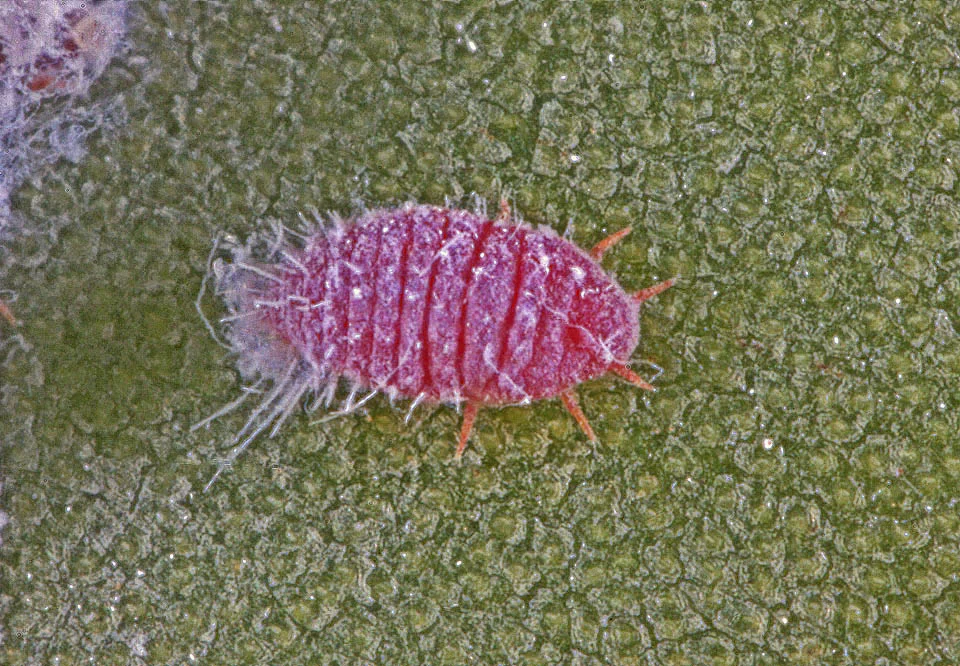
What Is Cochineal (Dactylopius coccus)?
Cochineal is a type of scale insect that lives on cacti, especially prickly pear (Opuntia). These insects produce carminic acid, a compound that creates a strong red coloration. Humans learned long ago that by harvesting cochineal and processing it, they could produce a pigment that’s incredibly vivid and long-lasting.
That’s the key reason cochineal became so valuable historically and why it still appears in products today: the color payoff is powerful.
What Is Carmine (E120)?
Carmine is the widely used red dye made from cochineal. You’ll see it described in different ways depending on the label and the industry, including:
-
Carmine
-
Cochineal extract
-
Carmines
-
E120 (common in Europe and many international ingredient lists)
-
CI 75470 (common in cosmetics/color index labeling)
It’s often marketed as “natural” because it comes from a biological source rather than being fully synthetic but it’s also important to know it’s animal-derived (insect-derived).
How Carmine Is Made (In Simple Terms)
The process is more old-school than most people expect:
-
The insects are collected from cactus pads.
-
They’re dried (this concentrates the pigment).
-
The dried insects are ground and processed to extract the pigment.
-
The resulting pigment is refined into carmine, which manufacturers can use in cosmetics, food, and dyes.
That’s why cochineal is often described as being “dried and ground” to make the red colorant.
Where Carmine (E120) Shows Up Today
Carmine is still used because it creates a rich, stable red/pink tone that performs well in many formulas. You may find it in:
Cosmetics
-
Lipsticks and liquid lip colors
-
Blushes and tinted balms
-
Some eyeshadows and face palettes
-
Certain foundations or BB creams with rosy undertones
Food & Drinks
-
Candies and gummies
-
Flavored yogurts and desserts
-
Fruit preparations and syrups
-
Some pink/red beverages
Textiles & Historical Uses
Cochineal-based reds were famously prized in dyes for fabrics and art pigments long before modern beauty existed. Today, the story lives on just in smaller print on ingredient lists.
Why Brands Use Carmine Instead of Plant Reds
A lot of “natural” reds (like beet-based coloring) can be sensitive to heat, acidity, or light. Carmine, on the other hand, tends to deliver:
-
Strong color intensity
-
Better stability in many products
-
A specific shade range that’s hard to replicate naturally
-
Reliable results from batch to batch
In plain language: it’s one of the easiest ways to get a luxury-looking red that doesn’t fade or turn weird.
The Big Question: Is Carmine Vegan?
No carmine is not vegan because it’s derived from insects.
This is one of the main reasons the ingredient gets attention online: many people assume “natural color” automatically means plant-based, but “natural” can include animal sources too.
If you’re vegan (or avoiding animal-derived ingredients for personal, religious, or ethical reasons), checking for E120 / carmine / cochineal is a smart habit.
Is Carmine Safe? What About Allergies?
Carmine is approved for use in many countries, but like many ingredients, it may not suit everyone. Some people report sensitivity or allergic reactions especially in cosmetics.
If you’ve ever had unexplained irritation from a lipstick or a blush, reading the ingredients list and doing a patch test with new products is a good move. (And if you suspect an allergy, the safest step is always professional medical advice.)
Carmine-Free Alternatives (What to Look For)
If you want to avoid E120, you can look for products labeled “vegan” or “carmine-free.” Brands often use alternatives such as:
-
Iron oxides (common in makeup)
-
Beet-derived pigments (more common in food, but sometimes unstable)
-
Synthetic colorants (varies by product category and regulations)
The trade-off is usually color stability, shade accuracy, or performance so formulas can behave differently.
The Takeaway: A Tiny Insect, a Global Color Story
Cochineal isn’t a worm. It’s a cactus-dwelling insect that helped create one of the world’s most famous reds carmine (E120) used across centuries and industries.
Whether you find it fascinating, unsettling, or simply surprising, it’s a reminder of how many everyday products have hidden backstories. Next time you see a perfectly pigmented red lipstick or a bright pink candy, you’ll know: sometimes that “natural” red has a very unexpected origin.